
Diabetic Ulcer Prevention Case Study in Practice
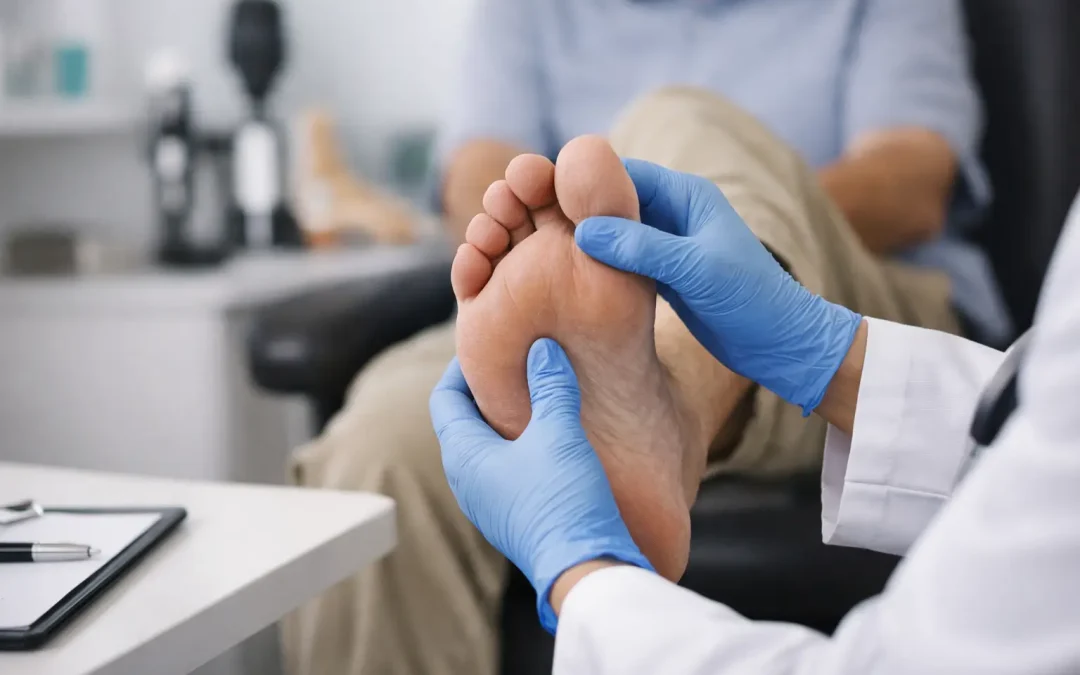
A small area of hard skin beneath the big toe may seem like a routine foot-care problem. For someone living with diabetes, particularly if they have reduced feeling or poor circulation, it can be an early warning sign. This diabetic ulcer prevention case study follows a representative patient journey to show how timely assessment, practical treatment and regular monitoring can prevent a pressure point becoming a serious wound.
The patient details have been anonymised and combined to reflect common clinical patterns. Every diabetic foot is different, so the right prevention plan depends on circulation, nerve sensation, foot shape, footwear, activity levels and previous foot problems.
The presenting problem: a callus that kept returning
Our patient, whom we will call David, was in his late sixties and had lived with type 2 diabetes for more than 15 years. He was active, enjoyed walking locally, and wanted to stay mobile enough to keep up with family life. He had noticed a hard, yellowish patch of skin under his right big toe joint that returned every few weeks.
David had tried filing it at home and using moisturiser, but it always came back. It was not particularly painful, which reassured him. However, this lack of pain was part of the concern. He had begun to lose protective sensation in his feet due to diabetic neuropathy, meaning pressure or minor injuries might not produce the warning signals they would in a healthy foot.
At his appointment, there was no open ulcer. That was the positive starting point. There was, though, dense callus beneath the first metatarsal head, mild redness after walking and a small area of blood within the callus. In a person with diabetes, this can indicate repeated pressure and tissue stress beneath the skin. Left untreated, it may develop into skin breakdown and ulceration.
Why diabetic foot ulcers can develop quietly
A diabetic foot ulcer is rarely caused by one dramatic event. It often begins with a combination of reduced sensation, pressure, friction and delayed recognition. A seam in a shoe, a tight toe box, a rough edge of skin or a change in walking pattern can all become significant when the foot cannot feel discomfort normally.
Circulation also matters. Reduced blood flow can slow healing and make infection more difficult to fight. Foot deformities, such as bunions, prominent joints, clawed toes or a limited big-toe joint, may concentrate pressure in one small area. High blood glucose levels can add further risk by affecting healing, immunity and nerve health.
This is why prevention is not simply about cutting nails or removing hard skin. Those treatments can be valuable, but the clinical question is always: why is this area repeatedly under pressure?
Assessment: identifying David’s personal risk factors
A structured diabetic foot assessment gave David clear answers rather than vague warnings. His podiatrist checked the skin for cracks, redness, corns, callus and signs of infection. Pulses in both feet were assessed, alongside temperature, capillary refill and other indicators of circulation.
Protective sensation was tested using standard clinical methods. David could not reliably feel testing in several areas of the forefoot, confirming sensory loss. His footwear was also examined. Although his walking shoes were good quality, the toe box was narrow and the insole had compressed under the big-toe joint, allowing pressure to build where he was already vulnerable.
The examination then moved beyond the skin. David had reduced movement at the right big-toe joint and a subtle change in how he transferred weight through the forefoot. Video gait analysis helped demonstrate this pattern clearly. Rather than smoothly progressing through the foot, he was repeatedly loading the same area beneath the big toe.
That explanation mattered. David had assumed the callus was simply part of getting older. Seeing the relationship between his foot mechanics, footwear and loss of sensation made the prevention plan feel practical, not restrictive.
Risk is not the same for every person with diabetes
Some people with diabetes have normal circulation, normal sensation and no history of ulcers. Others need more frequent review because they have neuropathy, vascular changes, foot deformity, previous ulceration or a history of amputation. The interval between podiatry appointments should reflect this level of risk, rather than following a one-size-fits-all timetable.
For David, the combination of sensory loss, recurring callus and focal pressure meant that waiting until his annual diabetes review would not have been enough. He needed regular preventative care and a way to reduce pressure every day between appointments.
The prevention plan: reduce pressure before skin breaks down
The first stage was careful removal of the dense callus using appropriate clinical techniques. This immediately reduced pressure at the site and allowed the skin underneath to be checked properly. The skin was intact, with no evidence of infection, but it needed protecting.
David was advised not to use corn plasters, blades or strong chemical treatments on his feet. These can damage healthy skin and are particularly unsafe where feeling is reduced. He was also shown how to inspect both feet daily, including the soles and spaces between the toes. A long-handled mirror can help where bending is difficult, while a family member can assist if eyesight or mobility is limited.
Footwear changes were equally important. David needed shoes with enough width and depth for his foot shape, a secure fastening and no internal seams rubbing the forefoot. The goal was not to force him into unattractive footwear, but to find practical options that accommodated his feet properly and reduced friction.
A bespoke insole was prescribed to offload the pressure beneath the big-toe joint. In some cases, true 3D-printed insoles can be useful where detailed contouring and accurate pressure redistribution are required. The right device depends on the person, their footwear and the specific pressure pattern. An insole that is excellent for one foot may be unsuitable for another.
Monitoring the result, not just giving advice
Prevention succeeds when the plan is checked and adjusted. David returned after several weeks so his skin, footwear and insole could be reviewed. The callus had returned far more slowly, the redness had settled and there was no blood within the skin. Most importantly, he was wearing the recommended footwear consistently and had made daily foot checks part of his routine.
At later reviews, the podiatrist continued to reduce any callus build-up before it became substantial. The insole was adjusted as needed, because materials compress over time and feet can change shape. David was also advised to contact the clinic promptly if he noticed a blister, cut, colour change, swelling, unusual warmth, discharge or any break in the skin.
The trade-off is that prevention requires ongoing attention. A custom device and regular appointments may feel like an investment when the foot is not painful. But treating an ulcer can involve dressings, offloading, infection management, reduced mobility and lengthy healing. It’s also the biggest risk factor for developing another ulcer! Addressing risk early is usually the safer and more comfortable route.
What this case study teaches about daily prevention
David’s outcome was not based on a single treatment. It came from combining clinical assessment with habits he could realistically maintain. The most useful daily measures were checking his feet, avoiding barefoot walking, wearing properly fitted shoes and socks, moisturising dry skin while keeping between the toes dry, and seeking advice early rather than waiting for pain.
Pain is an unreliable guide when neuropathy is present. A foot can be at risk long before it hurts. Equally, not every patch of hard skin signals impending ulceration. The difference lies in a professional assessment of sensation, circulation, skin health and loading through the foot.
At Eclipse Foot Clinic, diabetic foot assessments are designed to make those risks understandable. Patients are given clear findings, practical choices and a prevention plan that supports their mobility, whether that means managing daily walking, work, exercise or time with family.
If you live with diabetes, make a close look at your feet part of the same routine as checking the rest of your health. A new pressure mark or a recurring callus is worth acting on while it is still a small, manageable problem.