
Is Laser Treatment for Fungal Toenails Right?
A thick, yellow or brittle toenail can feel like a small problem until it catches on socks, makes shoes uncomfortable or leaves you reluctant to wear sandals. Laser treatment for fungal toenails is an option many people ask about when pharmacy treatments have not worked, or when they would prefer to avoid oral medication. The right starting point, however, is not simply choosing a treatment. It is confirming what is happening to the nail and creating a plan that gives it the best chance of growing back clearer.
Why fungal-looking nails need proper assessment
Fungal nail infection, also called onychomycosis, can cause nails to become discoloured, crumbly, thickened or misshapen. Debris may build up beneath the nail, and pressure from footwear can make walking or exercise uncomfortable. It may affect one nail or spread gradually to several.
Yet not every damaged-looking nail has a fungal infection. Repeated pressure from running shoes, a previous injury, psoriasis, eczema and age-related changes can all alter the appearance and texture of a nail. Treating a trauma-damaged nail as though it were fungal is frustrating, expensive and unlikely to produce the result you want.
A podiatry assessment looks at the nail, surrounding skin and your wider foot health. We will also discuss how long the problem has been present, whether it is spreading, the footwear you use and any previous treatments. In some cases, a nail sample may be appropriate to help establish whether fungus is present before committing to a course of treatment.
This matters because fungal nails are not only cosmetic. Thickened nails can create pressure and pain, particularly for people with reduced mobility, circulation concerns or diabetes. Regular professional reduction can make a considerable difference to comfort while the underlying problem is being managed.
How laser treatment for fungal toenails works
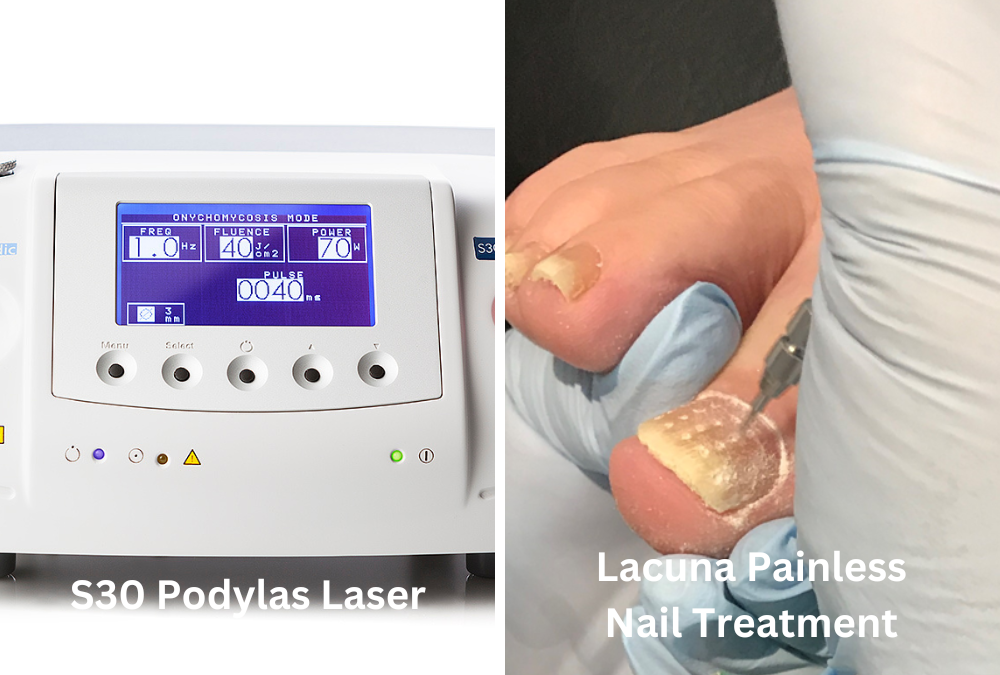
Laser treatment uses carefully controlled light energy directed through the nail plate and into the nail bed. The aim is to create conditions that damage fungal organisms while avoiding injury to the surrounding tissue. Most patients describe a warming sensation during treatment, with occasional brief heat or pinching as the laser passes over thicker areas of nail.
The appointment itself is straightforward. The nail may first be reduced and cleared of loose, thickened material so the treatment can be delivered more effectively. Each affected nail is treated, and the clinician will advise on the number and timing of sessions based on the extent of the infection and the condition of the nail.
There is no need for anaesthetic, dressings or time away from normal activity. You can put your shoes back on afterwards and continue with your day. That convenience is one reason laser appeals to busy patients, active adults and those who cannot take certain oral antifungal medicines.
Laser is not an instant nail replacement. It treats the infection within the existing nail environment, but the damaged part of the nail still has to grow out. Toenails grow slowly, often taking many months to show meaningful improvement. A big toenail may need 9 to 15 months to fully grow through, depending on your age, circulation, health and the degree of damage already present.
What results can you realistically expect?
The most encouraging early sign is often a clear band of healthier nail emerging from the base. Over time, that new growth may gradually replace the discoloured, crumbly section. If the nail matrix, the growth area beneath the cuticle, has been affected by infection or previous trauma, the nail may not return to a perfectly smooth appearance even after successful fungal treatment.
Results vary. Laser may be particularly useful for people with mild to moderate infection, for those who cannot use oral medication, or as part of a wider treatment plan. More extensive, longstanding infections involving several thick nails can be harder to clear and may require repeated treatment, topical antifungal products, nail reduction or discussion of oral medication with a GP or prescribing clinician.
It is also possible for fungal infection to return. Fungus thrives in warm, damp environments and can persist in footwear, socks, communal changing areas and untreated athlete’s foot. A treatment plan needs to address reinfection as well as the visible nail.
A good clinic should be clear about this. No responsible clinician can promise a flawless nail or guarantee that infection will never recur. What we can do is assess the likelihood of benefit, explain the alternatives and help you make an informed choice rather than selling a one-size-fits-all solution.
Laser, topical products or tablets?
There is no single best treatment for every fungal nail. The most suitable option depends on the number of nails involved, how much of each nail is affected, your medical history and your preferences.
Topical treatments can be useful when infection is limited and the nail is not severely thickened. They require consistent application over many months, and their ability to penetrate a thick nail can be limited. Reducing the nail professionally may improve comfort and help topical products reach the area more effectively.
Oral antifungal medication can be effective for some patients, particularly with more widespread infection. However, tablets are not appropriate for everyone. They may interact with other medicines or require consideration of liver health, so they need to be discussed with the appropriate prescriber.
Laser offers a drug-free approach with minimal disruption to day-to-day life. Its trade-off is that it may involve several appointments, results are gradual and success is influenced by the severity of infection and the steps taken between visits. Combining laser with regular nail care and sensible prevention often gives a more practical route than relying on one intervention alone.
Preparing for treatment and protecting new growth
Before your appointment, avoid applying nail varnish or cosmetic coverings unless you have been advised otherwise. Bring a list of medications and mention any history of diabetes, poor circulation, reduced sensation, immune suppression or skin conditions. These factors do not necessarily rule out treatment, but they help us plan safely.
After treatment, the everyday details matter. Keep feet clean and dry, change socks daily and choose breathable footwear where possible. Rotate shoes so they can dry fully between wears. Wash socks at an appropriate temperature and treat athlete’s foot promptly, as skin infection can act as a reservoir for reinfecting the nails.
Avoid sharing nail clippers or files, and disinfect or replace tools used on affected nails. If you use communal changing rooms, pools or gym showers – wear flip-flops. These habits are simple, but they protect the healthy new nail as it grows.
When should you seek podiatry advice?
Do not assume that every thick nail is harmless. Arrange an assessment if the nail is painful, lifting away from the skin, bleeding, producing discharge or changing rapidly. Seek prompt Podiatry advice if you have diabetes, reduced circulation, neuropathy or a weakened immune system and notice a new nail or skin problem.
It is also worth getting help if you have spent months trying over-the-counter treatments without improvement. Persistent nail changes deserve a clear diagnosis, not another product chosen from a shelf.
At Eclipse Foot Clinic, our HCPC-registered podiatrists can assess troublesome nails, reduce painful thickness and discuss whether laser treatment is likely to suit your needs. You will receive a straightforward explanation of the findings and treatment choices, so you can decide what feels right for your feet, lifestyle and budget.
A clearer nail takes patience, but comfortable feet should not have to wait. Getting the nail properly assessed is the practical first step towards wearing the shoes you like and getting back to the activities you enjoy.
Book your Fungal Nail Assessment Appointment here.