
Orthotics Insoles Comparison: Which Is Right?
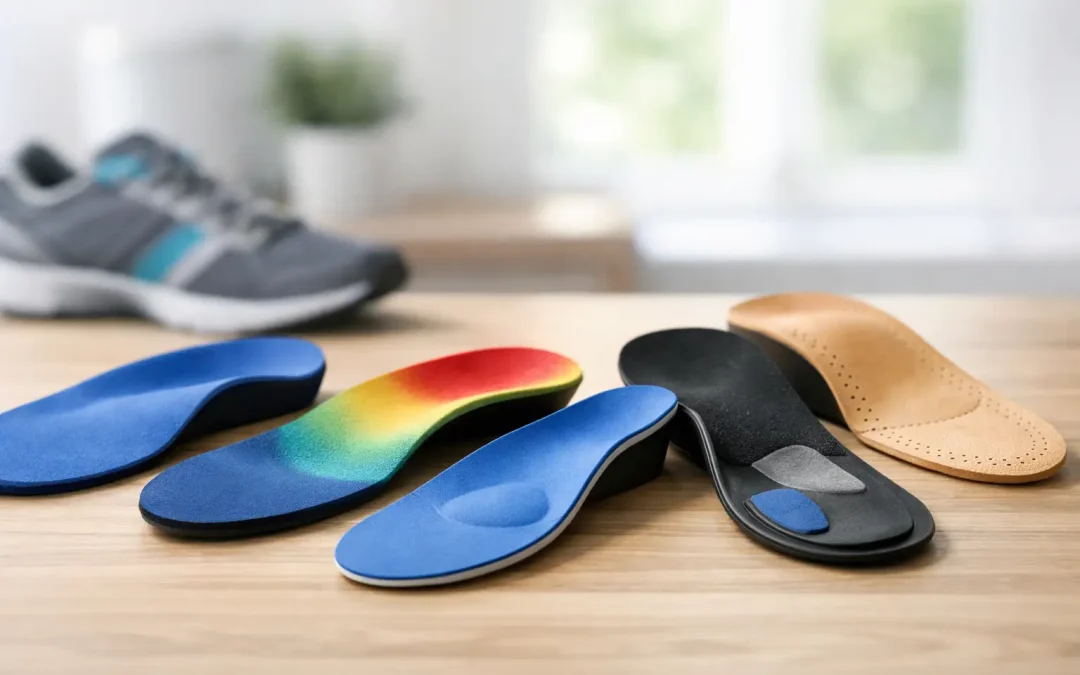
A supportive insole can feel like an instant improvement, particularly when every step has become uncomfortable. But a quick orthotics insoles comparison soon shows that not all devices do the same job. Some provide welcome cushioning for tired feet, while others are designed to change how force moves through your foot, ankle and leg. Choosing the wrong type can mean spending money without addressing the reason you are in pain.
For heel pain, repeated sporting injuries, knee discomfort or a foot that feels unstable, the best answer is rarely the most heavily padded insole on the shelf. It is the option that matches your symptoms, footwear, activity and the way your body moves.
Orthotics insoles comparison: start with the job
The terms “insole” and “orthotic” are often used interchangeably, but there is a useful distinction. An insole sits inside the shoe and may add comfort, warmth, cushioning or a little arch shape. An orthotic is intended to influence foot function: it may redistribute pressure, support a joint, accommodate a painful area or guide motion during walking and running.
There is overlap. A well-designed over-the-counter insole can be a sensible first step for mild symptoms, and a custom orthotic may include soft cushioning materials where comfort is needed. The difference lies in the level of assessment, precision and modification available.
It also helps to be realistic about what support can achieve. Orthotics do not magically correct every foot shape, and they should not be used to push through a significant injury. They are one part of a treatment plan that may also include footwear advice, exercise, activity modification, shockwave therapy or other targeted care.
Off-the-shelf insoles: useful for comfort and mild support
Ready-made insoles are widely available and come in many forms, from thin gel inserts to firmer devices with an arch contour and heel cup. Their main advantages are cost, convenience and the ability to try them quickly in everyday shoes.
A good-quality prefabricated insole may help if your feet feel tired after long days standing, you need more cushioning in work shoes, or you have minor discomfort that has appeared after changing footwear or increasing activity. They can also be useful during a short period of recovery, provided the symptoms are settling and there are no warning signs such as swelling, marked weakness or severe pain.
The trade-off is that they are built to a generic foot. The arch may sit too far forward, be too high or too low, and the heel cup may not match the shape of your shoe. A device that feels pleasant when you first stand in it can still be unsuitable after several miles of walking or a run.
Very soft gel insoles deserve particular caution for persistent pain. They can reduce the feeling of impact, but they do not necessarily provide control or reduce strain on the tissues causing the problem. In some shoes, a thick insert also reduces available space and can create rubbing, pressure on the toes or a feeling of instability.
Semi-custom devices: a middle ground for selected problems
Semi-custom orthotics begin with a pre-made base that can be adapted with additions such as heel lifts, metatarsal pads, cushioning or wedges. They may be heat-moulded or adjusted according to a clinical assessment.
This can be an effective option where the problem is relatively straightforward and the required changes are modest. For example, an accommodation may reduce pressure beneath a painful forefoot area, or a small heel raise may be considered where there is a clear clinical reason for it.
However, a semi-custom device is not simply a custom orthotic at a lower price. Its shape, materials and correction options are limited by the original shell. For more complex biomechanics, significant asymmetry, long-standing pain or demanding sport, that limitation can matter.
Custom orthotics: made around your feet and movement
Custom orthotics are designed after a podiatric assessment rather than selected by shoe size alone. The assessment should look beyond the footprint. A clinician may examine joint movement, muscle strength, alignment, areas of tenderness, footwear wear patterns and how you stand, walk or run. Video gait analysis can reveal movement patterns that are not obvious when you are sitting on an examination couch.
The prescription is then based on a clinical aim. That might be reducing load through the plantar fascia in plantar fasciitis, supporting a foot that rolls excessively during running, accommodating a prominent joint, redistributing pressure for a diabetic foot, or improving comfort in shoes after an injury.
Custom does not always mean rigid, bulky or uncomfortable. Materials can be selected for the job. A runner may need a slim, responsive device that fits a training shoe, while someone with a painful forefoot may benefit from softer pressure-relieving layers. A device for work boots will differ from one made for dress shoes, walking boots or football boots.
The limitation is that custom orthotics take more time and investment, and they still need a period of adjustment. The right device should feel supportive, not aggressively painful. Mild awareness in the first days can be normal, but worsening pain, new blisters, numbness or pain elsewhere in the leg should be reviewed rather than ignored.
Where 3D-printed insoles fit
True 3D-printed insoles bring another level of accuracy and repeatability. A digital scan captures the contours of the foot, while clinical findings and gait information guide the prescription. The insole can then be produced with carefully controlled shape, thickness and support in different areas.
This is especially valuable when a very precise fit is required, when footwear space is limited, or where pressure needs to be managed carefully. Digital design can also make future adjustments and replacements more consistent.
Technology alone does not make an orthotic appropriate. A 3D scan records shape, but pain often relates to movement, load tolerance, injury history and footwear. The best results come from combining advanced manufacturing with a thorough assessment and a clear reason for every feature in the device.
Which option is likely to suit you?
The right choice depends on the pattern and persistence of your symptoms. A ready-made insole may be reasonable for mild, recent discomfort that improves with better footwear and a reduction in aggravating activity. If pain keeps returning, affects your running, changes the way you walk or has lasted for several weeks, assessment is more worthwhile than repeatedly buying alternatives.
Custom orthotics are often considered for long-standing heel pain, recurrent shin or knee symptoms linked to biomechanics, ankle instability, forefoot pain, arthritis, significant differences between the feet, and sporting demands where small changes in mechanics can have a large effect over distance. Children should be assessed individually. Many children have flexible flat feet without pain and do not need orthotics, but pain, fatigue, frequent trips or a change in activity may warrant a closer look.
For people with diabetes, reduced sensation, poor circulation, previous ulceration or foot deformity, do not rely on standard insoles without advice. Pressure management needs to be handled carefully, alongside regular foot-health monitoring.
Four checks before buying any insole
Before committing to an insole or orthotic, ask four practical questions:
- What symptom am I trying to improve, and where exactly is the pain?
- Will this fit comfortably in the shoes I wear most often?
- Does it address cushioning, pressure relief or movement control – and which of those do I actually need?
- How will I know whether it is working, and when should I seek a review?
These questions prevent a common problem: changing several things at once and never knowing what has helped. Keep a note of pain levels, activity and footwear for the first few weeks. It gives a much clearer picture of progress.
Getting the fit right matters as much as the device
Even an excellent orthotic cannot work well in an unsuitable shoe. The shoe needs enough depth and width to accommodate it without squeezing the toes or lifting the heel out of the back. A secure fastening, stable heel counter and a sole appropriate for your activity usually make a greater difference than a fashionable insert placed in a worn-out shoe.
At Eclipse Foot Clinic, an orthotic assessment focuses on the underlying cause of your symptoms, not simply selling an insole. After examining your feet and lower limbs, and using gait analysis where appropriate, the clinician can explain whether an off-the-shelf option, an adapted device, bespoke orthotics or true 3D-printed insoles are likely to offer value.
Your feet should support the life you want to lead, whether that means completing a parkrun, managing a busy shift, walking the dog or keeping up with the grandchildren. If an insole is not helping you move more comfortably, it is worth finding out why before you simply try another one.