
How to Prevent Recurrent Verrucae Returning
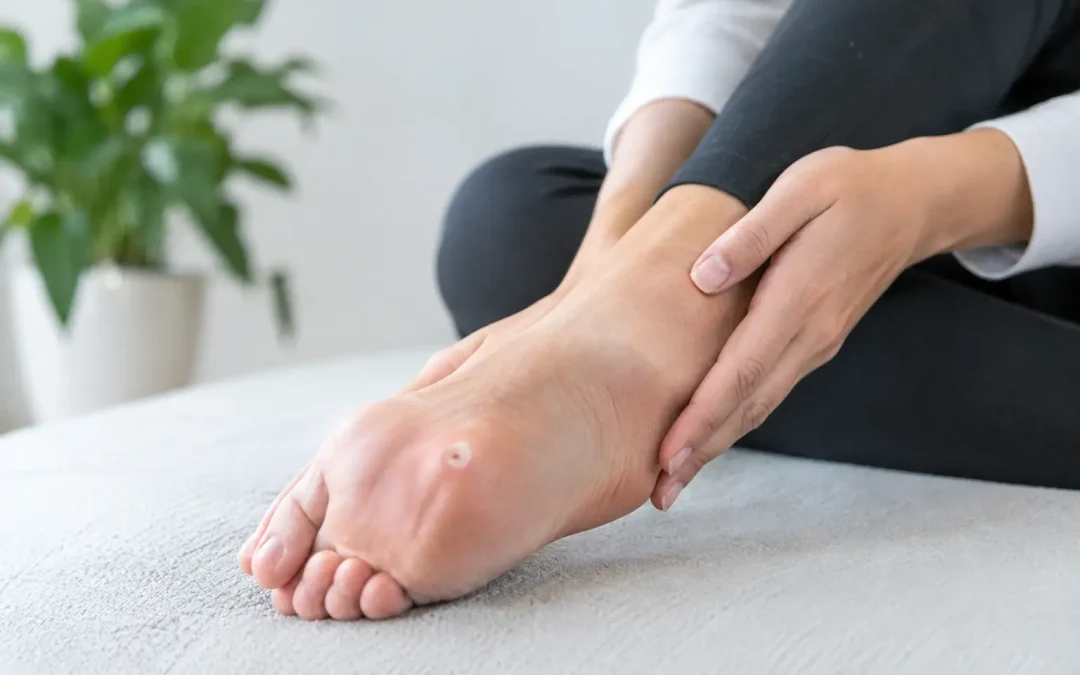
A verruca that returns after treatment can feel particularly frustrating. You may have followed the instructions, avoided touching it and even seen the skin look clear, only for a small rough area to reappear weeks or months later. Knowing how to prevent recurrent verrucae starts with understanding that the visible spot is only part of the picture: the virus can remain in nearby skin, spread to another area of the foot, or be picked up again from an environment where bare feet are common.
Verrucae are caused by strains of human papillomavirus (HPV) that enter through tiny breaks in the skin. They are common, often harmless, and not a sign of poor hygiene. However, persistent or recurring lesions deserve a more considered plan, especially if they are painful, affecting sport or work, or you are unsure whether the lesion is a verruca at all.
Why verrucae can come back
A treatment may remove the thickened, rough skin on the surface without fully clearing the virus from the deeper layers. This is one reason why stopping treatment as soon as a verruca looks better can lead to disappointment. The skin may look normal before the immune system has fully dealt with the infection.
Reinfection is another possibility. HPV is more easily transmitted when skin is softened by water, damaged by friction, or exposed in warm communal areas such as changing rooms, swimming pool surrounds and shared showers. It can also spread from one site on your own foot to another, particularly if you pick, file or shave the lesion and then touch healthy skin.
There is also an individual factor. Some people are simply more prone to stubborn verrucae, while pressure through the sole can drive a lesion inwards and make it more painful. A lesion under a weight-bearing area may be covered by hard skin and mistaken for a corn or callus, so getting the diagnosis right matters.
How to prevent recurrent verrucae at home
The aim is not to sterilise every surface or blame yourself for a recurrence. It is to reduce opportunities for the virus to spread, protect the surrounding skin and give any treatment the best chance of working.
Avoid picking, cutting or aggressive filing
It is tempting to remove hard skin yourself when a verruca feels uncomfortable. But cutting into it, using shared files, or repeatedly picking at it can create small breaks in the skin and transfer viral particles to your fingers or elsewhere on the foot. If you are using a pharmacy treatment that recommends gentle filing, keep the file for that lesion only and dispose of it as directed. Do not use it on other areas of skin.
Avoid home surgery, blades and strong acids on uncertain lesions. This is particularly important for people with diabetes, poor circulation, neuropathy or reduced sensation, where a small wound can become a significant problem.
Keep feet dry and footwear fresh
Warm, damp conditions suit the virus and can soften the skin barrier. Dry carefully between the toes after washing, change socks daily and sooner after exercise, and allow shoes to dry fully between wears where possible. Alternating trainers can be helpful for active people who train most days.
This is not a guarantee against recurrence, but it reduces prolonged moisture and friction. Well-fitting footwear also matters. Shoes that repeatedly rub a verruca can make it sore and create more pressure-related hard skin over the area.
Cover the lesion in communal areas
Wear flip-flops or pool shoes in public changing areas and showers. If you have a verruca, use a waterproof plaster or verruca cover when swimming, then remove it afterwards and dry the foot thoroughly. Do not share socks, shoes, towels, pumice stones or foot files.
At home, normal cleaning is usually enough. There is no need for excessive disinfecting. Focus instead on not walking barefoot in shared wet spaces and on keeping personal foot-care items personal.
Protect healthy skin during treatment
Many over-the-counter treatments contain salicylic acid, which works by gradually breaking down thickened infected skin. Used consistently and correctly, it can be effective for some verrucae. Used carelessly, it can irritate healthy skin around the lesion, creating a sore area that is harder to manage.
Apply it only to the diagnosed verruca, following the product instructions. A podiatrist can show you exactly where the lesion starts and ends, as this is not always obvious beneath callus. If the surrounding skin becomes painful, broken or very inflamed, pause treatment and seek advice rather than pushing through.
Give treatment enough time, but not endless time
Verrucae often respond slowly. A course of treatment may take several weeks, and the right timeframe depends on the treatment type, the size and location of the lesion, and how your skin reacts. Consistency is usually more valuable than changing products every few days.
That said, repeated self-treatment without progress is not always productive. If a lesion is spreading, bleeding, very painful, changing in appearance or has not responded after a reasonable period, it is worth arranging an assessment. Not every hard, painful spot on the sole is a verruca.
Make recurrence less likely after professional treatment
After treatment, follow the aftercare plan even if the area appears clear. Depending on the method used, this may involve keeping a dressing dry for a set time, managing expected tenderness, reducing pressure through padding, or returning for review. The details matter because each treatment works differently.
At Eclipse Foot Clinic, an HCPC-registered podiatrist can assess the lesion, remove overlying hard skin where appropriate and discuss evidence-based options. For persistent verrucae, treatment choices may include carefully managed topical therapy or Swift microwave technology. Swift delivers targeted microwave energy into the verruca tissue to stimulate an immune response, without creating an open wound. It is not the right option for every person or every lesion, but it can be a valuable option when standard self-care has not delivered the result you need.
The best approach depends on whether the verruca is solitary or clustered, how long it has been present, whether it is painful under load, your medical history and your tolerance for treatment. A treatment that is convenient for one person may be impractical for a runner in the middle of a training block or a child who is anxious about foot procedures. Clear advice should include the expected response, likely number of sessions and what you can do between appointments to limit spread.
Check the pressure and activity factors
A verruca on a high-pressure area of the foot can remain painful even as it improves. It may also build up callus quickly, making it seem as though it has returned. If pain is altering the way you walk or run, do not simply ignore it. Changes in gait can overload the heel, forefoot, knee or lower leg.
A podiatry assessment can identify whether footwear, foot shape, activity demands or biomechanics are increasing pressure at the site. Simple offloading can sometimes make daily life more comfortable while treatment takes effect. For active adults, this may mean adapting footwear or training temporarily rather than stopping all activity unnecessarily.
When children have recurrent verrucae
Children often pick up verrucae around swimming, dance, sport and changing facilities, and many eventually clear without invasive treatment. The decision to treat depends on pain, spread, confidence and how much the lesion interferes with normal activity. A child who avoids PE because a verruca hurts deserves support, even if the condition is not medically dangerous.
Keep the routine calm and practical. Encourage pool footwear, avoid picking, cover the lesion for swimming and do not make it a daily battle. If the diagnosis is unclear or the lesion is persistent and painful, a podiatrist can offer a reassuring assessment and discuss child-appropriate options.
Get advice sooner if you have higher-risk feet
People with diabetes, circulation problems, neuropathy, immune suppression or a history of foot ulceration should not self-treat a suspected verruca with acids, freezing kits or cutting tools. What looks like a routine verruca can mask a pressure lesion, skin breakdown or another condition requiring different care.
Seek prompt assessment too if there is redness, warmth, discharge, ulceration, unusual bleeding or rapidly increasing pain. These are not typical signs to manage by persevering with a shop-bought product.
A recurring verruca is rarely a reason to panic, but it is a good reason to be more strategic. Protect the skin, reduce exposure in communal wet areas, avoid spreading the virus yourself and make sure the diagnosis and treatment plan fit your feet. With consistent care and the right clinical support when needed, you can spend less time thinking about that stubborn spot and more time comfortably getting on with the activities you enjoy.