
Ingrown Toenail Surgery Recovery Time Explained
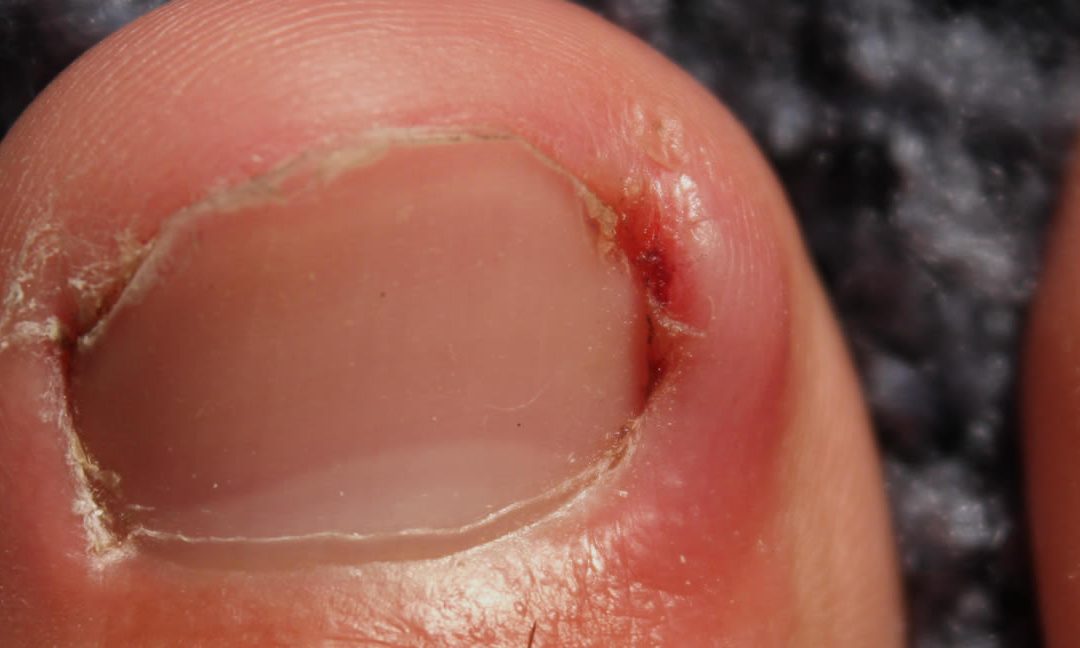
A painful ingrown toenail can make every step feel like a sharp reminder that something needs sorting. The good news is that ingrown toenail surgery recovery time is usually very manageable, particularly when the nail problem is treated early and aftercare is followed carefully. Most people can walk out of the clinic after treatment, but the toe needs time to settle before it is ready for running, football boots, long walks or tight work shoes.
At Eclipse Foot Clinic, we explain what has caused the nail to keep catching in the skin, what the procedure involves and what a realistic recovery looks like for your lifestyle. There is no one-size-fits-all timetable: the extent of the procedure, whether infection is present and the demands you place on your feet all matter.
What happens during ingrown toenail surgery?
For a recurring or severe ingrown toenail, the most common minor surgical procedure is a partial nail avulsion. This means removing the narrow offending edge of nail, rather than the whole toenail. A local anaesthetic is used to numb the toe, so you won’t feel pain during the procedure.
In many cases, a chemical called phenol is applied to the nail matrix on the affected side. This prevents that strip of nail from growing back and reduces the chance of the same problem returning. The remaining nail is left in place, so it still looks broadly like a normal toenail once the area has healed.
Occasionally, more of the nail needs to be removed. This may be appropriate where both sides are repeatedly ingrown, the nail is very thickened or distorted, or there has been previous unsuccessful treatment. Your podiatrist will discuss the options, benefits and possible drawbacks before treatment, so you can make an informed decision.
Ingrown toenail surgery recovery time: a realistic timeline
The numbness from the local anaesthetic usually lasts for a few hours. It is sensible to take things easy that day, keep the foot elevated when you can and avoid unnecessary walking. You will leave with a dressing in place and clear instructions for looking after it.
The first 24 to 48 hours
Once the anaesthetic wears off, the toe may feel tender or throb slightly. This is usually mild and can often be managed with suitable over-the-counter pain relief, provided it is safe for you to take. Your clinician can advise if you are unsure, particularly if you take prescribed medicines or have other health conditions.
A little blood staining on the dressing is common. Try to keep the initial dressing dry and avoid tight shoes that press directly on the toe. Open-toed footwear or a roomy sandal is often more comfortable for the journey home and the following day, weather and safety permitting.
The first week
Most patients return for a dressing check after the procedure, then continue with regular dressing changes as advised. The toe may look red, moist or slightly weepy while it heals. This is to be expected, especially when phenol has been used, as the chemical deliberately creates a small controlled wound at the nail matrix.
You can generally move around the house and manage gentle daily activities, but it is wise to avoid long shopping trips, prolonged standing and exercise that causes rubbing or pressure. If your work is mainly desk-based, many people can return within a day or two. Jobs involving safety footwear, frequent walking, ladders or long shifts on your feet may require more planning.
Weeks two to four
Tenderness should steadily reduce, although some clear or pale yellow fluid may continue from the treated side of the nail. This is not automatically a sign of infection. The dressing regime remains important because it protects the area, absorbs drainage and allows the wound to heal in a clean environment.
At this stage, many people are comfortable in wider normal shoes, depending on swelling and the shape of the footwear. Gentle walking is usually reasonable if it does not aggravate the toe. Running, gym classes, racquet sports and football should wait until the wound is dry, comfortable and your podiatrist is happy with healing progress.
Four to eight weeks
For many patients, the wound is fully healed within four to six weeks after partial nail surgery with phenol. Some toes heal sooner; others take closer to eight weeks, especially if there was significant inflammation beforehand, both sides were treated or the toe has been subjected to repeated pressure.
A procedure without phenol may initially appear to heal more quickly, but the troublesome nail edge can grow back. Where phenol is clinically suitable, the trade-off is a longer period of mild drainage in return for a much lower risk of recurrence. It is worth considering recovery not simply as the date you can wear a shoe, but as the process of giving the toe the best chance of staying pain-free.
What can affect your recovery?
Your starting point makes a difference. A nail that has been inflamed for weeks, with overgrown skin tissue around it, may need longer to settle than a newly painful nail. Recurrent infection, trauma to the toe and a very curved or thick nail can also complicate healing.
Footwear is another major factor. Narrow toe boxes, stiff leather shoes and sports boots can repeatedly squeeze the healing edge of the nail. Even when a shoe feels acceptable for a short walk, pressure over a full working day can lead to soreness and delayed healing. Choose shoes with depth and room around the toes until the area is comfortable.
Health factors matter too. Diabetes, poor circulation, reduced sensation, immune conditions and medicines that affect healing or bleeding should always be discussed before treatment. This does not necessarily mean surgery is unsuitable, but it may mean your podiatrist recommends closer monitoring and a more individual aftercare plan.
Caring for your toe while it heals
Your aftercare instructions take priority, as they will be tailored to your procedure and medical history. In general, keep dressings clean and dry until you have been shown how and when to change them. Do not pick at the healing edge, cut into the remaining nail or attempt to remove any crusting with sharp instruments.
When dressing changes begin, wash your hands first and use the products recommended by your podiatrist. Avoid soaking the toe for long periods unless this has specifically been advised. A quick shower can often be managed with a waterproof cover over the dressing, but follow the guidance you are given rather than relying on a general rule.
It is tempting to return to activity as soon as the toe hurts less. However, pain is not the only marker of healing. High-impact exercise and swimming can expose a partly healed wound to friction, sweat, bacteria or pool water. Build activity back gradually once the wound is dry, footwear is comfortable and you can walk normally without protecting the toe.
When should you contact your podiatrist?
Some redness and drainage can be normal after nail surgery, so it helps to focus on whether symptoms are worsening rather than simply present. Contact your podiatrist promptly if you notice:
- increasing pain, heat, swelling or spreading redness around the toe
- thick, foul-smelling discharge or a sudden increase in bleeding
- feeling unwell, feverish or shivery
- a dressing that is too tight, wet through or difficult to manage
- no clear improvement over the timeframe discussed at your review.
Do not wait for a scheduled appointment if you are concerned. Early advice can often prevent a small issue becoming a bigger setback.
Returning to work, exercise and normal shoes
A sensible return depends more on the activity than the calendar. Walking around the house may be comfortable within a day, while a runner training for an event may need several weeks before the toe can tolerate repetitive impact and a snug trainer. Safety boots and formal shoes can be particularly challenging because they leave little room for swelling or dressings.
For active patients, the best approach is to protect the healing period rather than trying to train through it. Cycling in loose footwear or upper-body training may be possible earlier than running, but check that the toe is not rubbing, becoming damp or throbbing afterwards. The aim is not merely to get back to sport quickly, but to get back without restarting the inflammation that led to surgery.
A well-managed recovery gives the nail fold time to heal and lets you return to work, walking and exercise with far less fear of the familiar sharp pain at the side of the toe. If an ingrown nail is repeatedly affecting your footwear, sleep or activity, a specialist podiatry assessment can provide a clear plan and the reassurance to take the next step comfortably.