
Chiropody Nail Care for Comfortable Feet
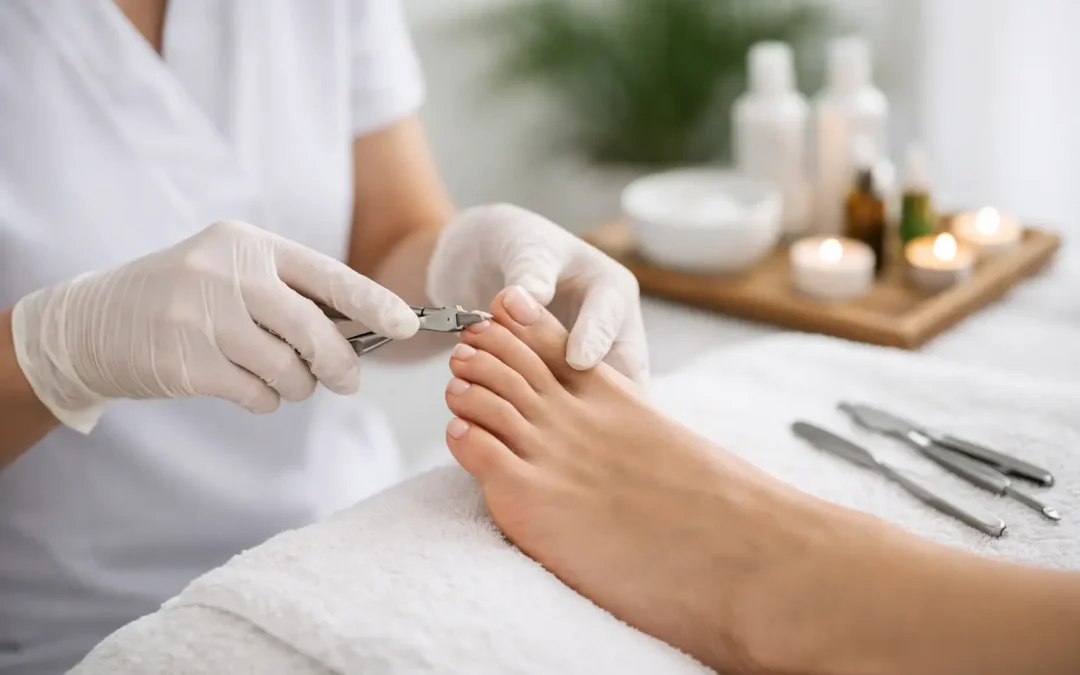
A toenail does not need to look dramatically damaged to make every pair of shoes uncomfortable. Nails that have become thick, curved, brittle or difficult to reach can catch on socks, press into neighbouring toes and make walking feel needlessly painful. Professional chiropody nail care deals with these everyday problems safely, while also checking for the underlying causes that may need further treatment.
For many people, routine nail care is about comfort and confidence. For others, it is a vital part of staying mobile, particularly when reduced flexibility, poor eyesight, arthritis, diabetes or circulation concerns make self-care difficult. The right appointment is not simply a quick trim. It is an opportunity to have your feet assessed by a trained clinician who can spot pressure points, skin changes and signs of infection before they become more troublesome.
What chiropody nail care can help with
Healthy nails should be smooth enough to manage, comfortable in footwear and free from pain around the edges. When that changes, there is usually a reason. Nails can thicken naturally with age, following repeated pressure from footwear, after injury, or as a result of a fungal infection. They may become ridged, crumbly, yellowed or unusually curved.
A chiropodist or podiatrist can reduce thickened nails carefully and shape them to avoid sharp corners that catch or press into the skin. This can provide immediate relief where a nail has become uncomfortable in shoes. The appointment may also include the removal of hard skin or corns around the toes, as these issues often develop together when footwear pressure is concentrated in one area.
Ingrown toenails need a different approach. A nail edge that repeatedly pierces the skin can cause soreness, redness, swelling or discharge. Trying to cut deeply down the side of the nail at home often leaves a sharp fragment behind and can worsen the irritation. Early professional treatment is usually more straightforward than waiting until the toe becomes acutely painful or infected.
Fungal nails can also look similar to nails thickened by trauma or psoriasis, so a clear assessment matters. If fungal infection is suspected, a clinician can discuss appropriate testing and treatment options. At Eclipse Foot Clinic, this may include a treatment plan using laser fungal-nail treatment where suitable, alongside practical advice on reducing reinfection.
Your chiropody nail care appointment: what to expect
The best treatment starts with listening. Your clinician will ask how long the problem has been present, whether the nail is painful, what footwear you wear most often and whether you have had injuries, infection or previous nail treatment. Medical history matters too, especially diabetes, circulation problems, blood-thinning medication, immune conditions or reduced sensation in the feet.
Assessment before treatment
Your feet will be examined before any nail is reduced. This helps identify whether a nail problem is isolated or part of a wider issue such as pressure from a toe deformity, changes in walking pattern or poorly fitting footwear. The skin between the toes, around the nail folds and under the forefoot may also be checked for cracking, corns, callus and signs of infection.
If you have pain beyond the nail itself, such as pain in the ball of the foot, heel or ankle, the appointment may need to move beyond routine care. A biomechanics examination, gait assessment or diagnostic ultrasound can help establish why pressure keeps returning to the same area. Treating the nail may improve comfort, but addressing the cause can reduce the chance of the problem recurring.
Gentle, precise nail reduction
Nail care is tailored to the nail in front of the clinician, not delivered as a one-size-fits-all cut. Thick or hard nails may need to be reduced gradually using specialist instruments, then filed smooth to prevent snagging. Curved nails are shaped with care to lessen side pressure without cutting into the corners.
Most patients find the process comfortable. If a toe is already very tender, the clinician will work carefully around the inflamed area and explain what is being done throughout. You should leave knowing what was found, what treatment has been carried out and whether you need any follow-up care.
When a routine nail appointment is enough – and when it is not
Regular care can be very helpful for nails that are thick, difficult to reach or simply uncomfortable. The frequency depends on nail growth, your mobility, footwear and any medical factors. Some people benefit from appointments every six to eight weeks, while others only need occasional support.
However, persistent nail problems deserve closer investigation. A nail that repeatedly thickens on one toe may be taking pressure from a shoe or from the way that toe functions when you walk. Recurrent corns beside the nail can point to crowding in the toe box. A fungal-looking nail that does not respond as expected may require confirmation of the cause before committing to a treatment programme.
Arrange a prompt assessment if you notice:
- increasing redness, heat, swelling or discharge around a nail
- sudden dark discolouration beneath a nail without a clear injury
- an ingrown nail that is painful, bleeding or repeatedly returning
- a wound, break in the skin or new foot problem if you have diabetes
These symptoms do not always mean something serious, but they should not be ignored. Timely treatment can prevent a small nail issue from limiting your walking, exercise or choice of footwear.
Why home nail care can sometimes make matters worse
There is nothing wrong with trimming straightforward, healthy nails at home if you can see and reach them safely. Cut across the nail rather than digging down the sides, use clean equipment and avoid cutting nails too short. If you struggle to bend, have poor vision or reduced feeling in your feet, home treatment carries more risk.
The most common problems come from using pointed tools to remove an ingrown edge, aggressively filing a thick nail or applying strong chemical products to irritated skin. These approaches can create cuts, burns or infection, particularly where circulation or sensation is reduced. Cosmetic pedicures may improve the appearance of nails, but they are not a substitute for clinical assessment where there is pain, thickening, infection or a suspected ingrown toenail.
A professional appointment also gives you a more realistic plan. If the main issue is footwear pressure, a different shoe shape may be enough. If toe position or foot mechanics are contributing, padding, simple offloading or bespoke orthotics may be considered. The answer depends on what is causing the pressure, not just what the nail looks like.
Nail care matters even more with diabetes
Diabetes can affect circulation, sensation and the body’s ability to heal. This means a small cut beside a nail, an unnoticed ingrown edge or a patch of hard skin can become more significant than it would otherwise be. Regular podiatry care offers a safe way to keep nails manageable while monitoring the skin and circulation of the feet.
A diabetic foot assessment is particularly worthwhile if you have tingling, numbness, burning sensations, changes in skin colour, a history of ulcers, or difficulty checking your own feet. Your podiatrist can explain your level of risk in plain English and advise how often you should attend. This is preventative care with a practical purpose: protecting comfort, independence and mobility.
Keeping nails comfortable between appointments
Good nail care is supported by daily habits. Dry carefully between the toes after washing, change socks regularly and choose shoes with enough depth and width for your toes. If a nail has thickened, forcing it into a narrow shoe can increase pressure and make it more likely to split or become ingrown.
Keep an eye on changes rather than waiting for pain. A nail that begins to lift, crumble or turn yellow may need assessment, especially if more than one nail is affected. Bring the shoes you wear most often to your appointment if you suspect they are rubbing. They can reveal a great deal about where your feet are under pressure.
Comfortable feet make ordinary days easier – from walking the dog and keeping active to getting through a busy shift without thinking about every step. If your nails are becoming a barrier to those things, expert care can make the next step feel much more manageable.