
How to Care for Diabetic Feet Safely Every Day
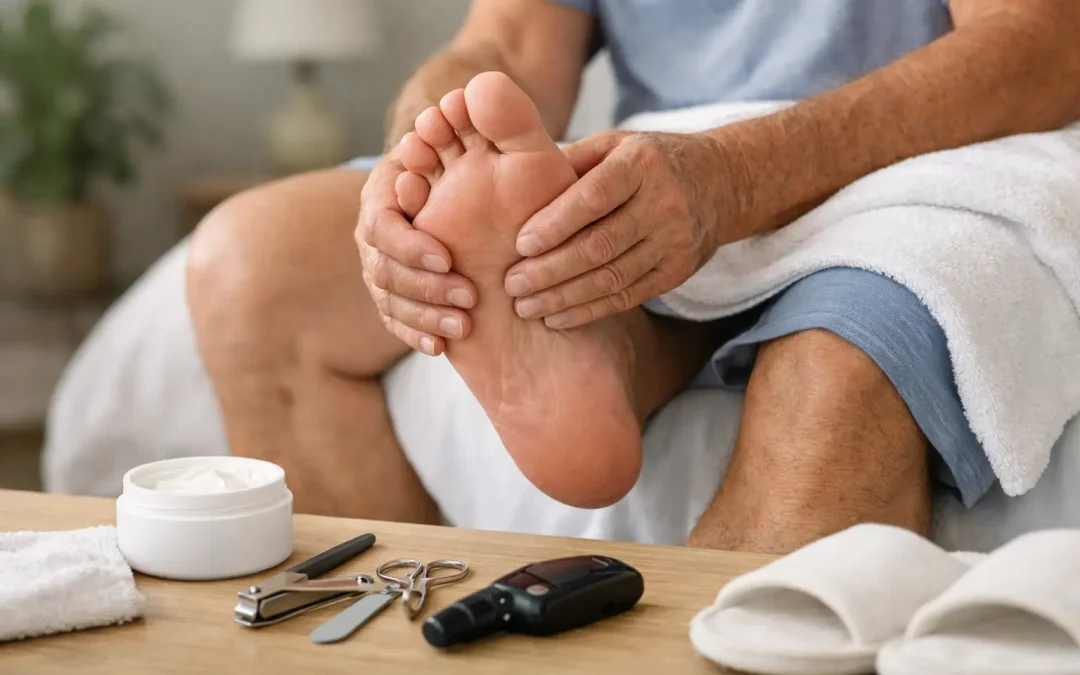
A blister from new shoes, a small split in the heel or a nail corner catching on a sock may sound minor. For someone with diabetes, however, these can become difficult problems if reduced feeling, poor circulation or delayed healing are involved. Knowing how to care for diabetic feet means spotting change early, reducing avoidable pressure and getting expert help before a small issue limits your mobility.
Diabetes does not automatically mean you will develop a foot problem. Many people keep their feet healthy for life with good glucose management, suitable footwear and regular checks. The key is not to wait for pain. Nerve damage can reduce sensation, so a developing wound may not hurt at all.
Why diabetic feet need closer attention
Persistently raised blood glucose can affect the nerves and blood vessels supplying the feet. Peripheral neuropathy may cause numbness, tingling, burning sensations or a reduced ability to feel heat, pressure and injury. Reduced circulation can mean that skin and wounds take longer to heal.
Feet can also change shape over time. Clawed toes, prominent joints, bunions or limited joint movement may concentrate pressure in one small area of skin. Add a tight shoe, a seam in a sock or a period of extra walking, and a callus, blister or ulcer can develop.
This is why prevention is more than keeping feet clean. It is about noticing what is different for you: a new hard patch, a red mark that does not fade, swelling around a toe, fluid on your sock or footwear that suddenly feels tighter. Prompt assessment gives you more treatment choices and can prevent a problem becoming more serious.
How to care for diabetic feet at home
A simple daily routine is one of the most effective forms of diabetic foot care. Choose a regular time, such as after washing or before bed, when you have enough light and are not rushing. If bending or seeing the soles is difficult, use a hand mirror or ask a family member to help.
Check both feet, including the soles, heels, sides, between the toes and around every nail. Look for cuts, blisters, cracks, corns, callus, redness, bruising, swelling, changes in colour, discharge and ingrown nail edges. Compare one foot with the other. A warmer, redder or more swollen foot should not be ignored, particularly if there has been no obvious injury.
Wash your feet daily in warm, not hot, water and dry them carefully, especially between the toes. Test water with your elbow or a thermometer rather than your foot if your sensation is reduced. Avoid soaking feet for long periods, as this can soften and weaken the skin.
Apply a urea-based moisturising cream to dry skin on the tops and soles of the feet, but not between the toes. Moisture trapped between toes can encourage fungal infection and skin breakdown. If your heels are cracked or your skin is persistently dry, a podiatrist can recommend the right strength of emollient for your skin and your level of risk.
A useful daily checklist is to:
- inspect skin, nails and the areas between your toes
- wash and dry your feet thoroughly
- moisturise dry skin, avoiding the spaces between toes
- put on clean, well-fitting socks before footwear
- check the inside of every shoe for grit, rough seams or a folded insole.
Do not use corn plasters, acid-based callus removers or sharp blades on your own feet. These can damage healthy skin without you realising. It is also sensible not to use hot-water bottles, electric blankets or heating pads directly on your feet, as burns can occur when feeling is reduced.
Nail care without unnecessary risk
Toenails should be cut straight across and filed gently, rather than rounded deeply at the corners. This can reduce the chance of an ingrown nail. That said, self-cutting is not right for everyone. Thickened nails, fungal nails, poor eyesight, reduced flexibility, numbness or a history of foot ulcers all make professional nail care the safer option.
Never dig down the side of a nail or try to remove an embedded spike yourself. If the nail fold is red, swollen, painful or leaking fluid, arrange an appointment promptly. Early treatment is generally simpler than waiting for infection to take hold.
Choose footwear that protects rather than rubs
The best diabetic footwear is not necessarily a specialist-looking shoe. It is a shoe that fits the shape of your foot, fastens securely and leaves enough room for toes, socks and natural swelling during the day. A firm sole helps reduce pressure from uneven ground, while a deep toe box avoids rubbing on nails and toe joints.
Try shoes on later in the day, when feet may be slightly larger. Walk around in both shoes and pay attention to any pressure point, however small. New shoes should be introduced gradually rather than worn all day immediately. If you notice redness that remains after taking shoes off, stop wearing that pair until the fit has been checked.
Avoid walking barefoot, even at home or on the beach. A tiny splinter, hot patio surface or unnoticed cut can cause harm. Slippers should have a secure heel or fastening and a supportive sole, rather than being loose and worn down. Socks should be clean, smooth and changed daily. Choose pairs without tight elastic or bulky seams where possible.
For recurring pressure areas, changes in foot shape or pain when walking, an assessment may identify whether insoles, footwear advice or custom orthoses could distribute pressure more effectively. The right solution depends on your circulation, sensation, activity level and the shoes you need for work or exercise.
Keep appointments and know your risk level
Everyone with diabetes should have a foot risk assessment as part of their diabetes care. This usually includes checking pulses, circulation, skin condition, foot shape and sensation with simple clinical tests. Your risk may be classed as low, moderate, high or active diabetic foot disease, and this guides how often your feet should be reviewed.
Your risk is not fixed. A previous ulcer, amputation, neuropathy, poor circulation, kidney disease, visual impairment or difficulty managing personal foot care may mean you need more frequent monitoring. Even if your feet feel fine, regular reviews can find pressure changes and loss of sensation before they lead to a wound.
At Eclipse Foot Clinic, a diabetic foot assessment can provide a clear picture of your current foot health, identify practical risks and set out a preventative plan that works with your day-to-day life. This may include routine nail and skin care, footwear guidance and pressure management, with clear advice on when further medical input is needed.
When to seek urgent help for a diabetic foot problem
Contact your GP, diabetes team, podiatrist or urgent care service on the same day if you find a new break in the skin, blister, ulcer, discharge, spreading redness, increasing swelling or a toe that becomes unusually painful. Do not wait to see whether it improves over several days.
Urgent assessment is also needed if part of the foot becomes hot, red and swollen, especially after a knock or change in activity. In some cases this can indicate Charcot neuroarthropathy, a serious condition in which weakened bones and joints can be damaged without significant pain. Keeping weight off the foot until you have been assessed may be advised.
Seek emergency medical help if you feel unwell with a foot infection, develop fever or chills, see black or blue skin, or notice a rapidly worsening wound. These signs need prompt medical attention.
Small habits that support healthier feet
Foot care works best alongside your wider diabetes plan. Keeping blood glucose, blood pressure and cholesterol within the targets agreed with your clinical team supports circulation and healing. Not smoking is particularly valuable, as smoking can further reduce blood flow to the feet.
Stay active in a way that suits your feet and your overall health. Walking may be appropriate for many people, but persistent pain, rubbing or a wound means activity should be reviewed rather than pushed through. A podiatry assessment can help separate a footwear issue from a pressure or biomechanical problem, so you can stay mobile with greater confidence.
Your feet carry you through work, family life, exercise and every ordinary errand. Giving them two careful minutes each day is a practical investment in keeping those moments comfortable, safe and independent.