
Diabetic Foot Warning Signs You Should Not Ignore
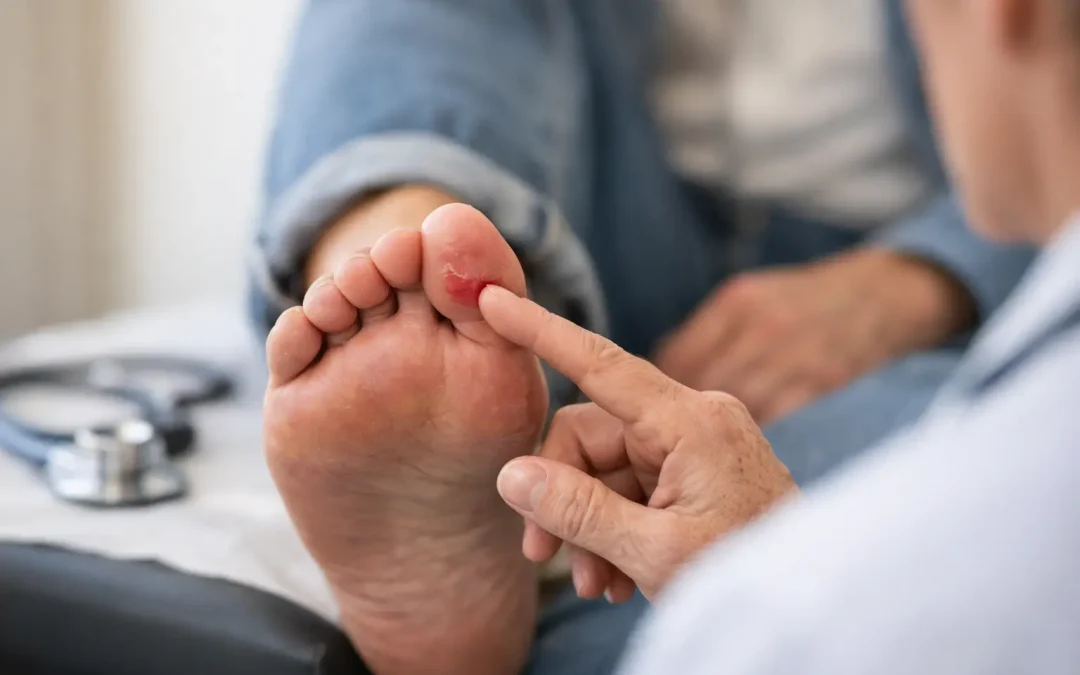
A small blister from a new shoe, a cut you cannot remember getting or a patch of redness can become far more serious when you have diabetes. Diabetic foot warning signs are not always painful, particularly when nerve sensation has reduced, so noticing changes early is one of the best ways to protect your mobility and avoid a more complex problem.
Diabetes can affect the nerves, circulation and skin’s ability to heal. That does not mean every person with diabetes will develop a foot complication, but it does mean your feet deserve regular attention. A structured foot assessment and prompt podiatry care can identify risks before they interrupt work, walking, exercise or everyday life.
Why diabetes can change foot health
Persistently raised blood glucose can damage the small nerves in the feet, a condition known as peripheral neuropathy. When feeling is reduced, you may not notice pressure from footwear, a stone in your shoe, a hot surface or a developing wound. Nerve damage can also alter sweating, leaving skin dry and more likely to crack.
Diabetes may also reduce blood flow to the feet and lower legs. With less efficient circulation, a cut, ulcer or infection may take longer to heal. Some people have nerve changes, circulation changes or both. Your individual risk depends on factors including diabetes control, smoking, previous ulcers, kidney disease, foot shape and the level of sensation and circulation in your feet.
Diabetic foot warning signs to look for
Check both feet every day, including the soles, heels and between the toes. A hand mirror can help with hard-to-see areas, or ask a family member to assist if bending or eyesight makes checking difficult. Look for a change, rather than waiting for pain.
Loss of feeling, tingling or burning
Numbness, pins and needles, burning sensations or unusual sensitivity can indicate nerve irritation or damage. Some people describe their feet as feeling padded, tight or as though they are wearing socks when barefoot. These sensations may be more noticeable at night.
Reduced feeling matters because it can mask an injury. If you have noticed numbness, do not test water temperature with your feet and avoid walking barefoot, even at home or on holiday. Check inside your shoes before putting them on, as a loose seam or small object can cause pressure without you realising.
Redness, warmth, swelling or a change in shape
A hot, red or swollen foot needs prompt clinical advice, especially if it is noticeably different from the other foot. It could be an infection, but in people with neuropathy it can also signal Charcot foot, where bones and joints weaken and may fracture or shift with little pain. Early treatment is vital to limit damage.
Do not assume swelling is simply due to a busy day, a sprain or footwear. A foot that becomes wider, flatter or visibly altered should also be assessed. Resting it without obtaining advice may delay the right treatment.
Cuts, blisters, cracks and sores that do not heal
Any break in the skin is a potential entry point for infection. Pay close attention to blisters, grazes, splits in dry heels, cuts from nail trimming and pressure areas caused by corns or callus. A wound that is not improving quickly, is getting larger, weeping or has an unpleasant smell requires urgent attention.
A diabetic foot ulcer may begin as a small area of hard skin or a shallow break in the skin. Because it may not hurt, it can be easy to overlook. Do not attempt to cut away hard skin or use corn plasters, acids or blades yourself. These can damage healthy skin and make a minor problem much harder to manage.
Colour changes and signs of infection
Darkening, blue or purple colouring, unusual paleness, or a black area of skin are all changes that should be assessed urgently. Redness spreading around a wound, pus, fluid, a new odour, fever or feeling generally unwell can indicate infection.
Contact your GP, diabetes team, podiatrist or urgent care service without delay if you see these symptoms. If you feel unwell with a foot wound, have rapidly spreading redness, or your foot becomes cold, blue, black or severely painful, seek urgent medical help the same day.
New pain, cramp or cold feet
Not everyone with diabetes loses sensation. New pain in the foot or lower leg, pain at rest, or calf pain when walking that eases when you stop can be linked to circulation problems and needs medical review. Feet that are persistently cold, shiny, pale or have less hair growth may also warrant a circulation check.
Pain from a bunion, ingrown toenail or heel condition is not automatically caused by diabetes. However, diabetes can affect how safely these issues are treated and how well the skin heals afterwards. It is sensible to have painful or persistent problems assessed rather than relying on home remedies.
What to do when you spot a change
The right response depends on what you find. A small, intact blister without redness may need protection from friction and careful monitoring, while a wound, swelling or colour change may need same-day advice. When you have diabetes, it is better to seek advice early than to wait and see if a change settles.
Keep any wound clean and covered with a simple sterile dressing if available. Avoid soaking the foot, applying antiseptics or creams directly into an open wound unless a clinician has advised it, and do not put weight through a hot or swollen foot unnecessarily. Bring the footwear you normally wear to your appointment, as shoe fit and pressure points often provide useful clues.
If you already have a diabetes foot-care plan, follow the contact route you have been given. People with a history of ulceration, amputation, reduced sensation or poor circulation should treat new changes as particularly urgent.
A daily routine that genuinely helps
Daily foot care does not need to be complicated. Wash and dry your feet carefully, especially between the toes. Use moisturiser on dry skin, but not between the toes where excess moisture can encourage skin problems. Put on clean, well-fitting socks and shoes with enough room for your toes.
Before wearing shoes, feel inside for rough edges, stones or loose insoles. Choose footwear that fastens securely and does not rub. New shoes should be introduced gradually, checking your feet afterwards. If your feet change shape, swell, or develop a pressure area, a style that used to fit may no longer be suitable.
Nails should be trimmed straight across where possible, without cutting into the corners. If your nails are thick, curved, difficult to reach or you cannot safely see what you are doing, professional routine foot care is a safer option. Never use sharp instruments to manage corns, callus or ingrown nails at home.
Why regular diabetic foot assessments matter
A diabetic foot assessment is more than a quick look at your skin and nails. A podiatrist can check sensation, circulation, foot structure, pressure points, footwear and your ability to carry out daily self-care. This helps establish whether your feet are low, moderate or high risk and what level of monitoring is appropriate.
At Eclipse Foot Clinic, an HCPC-registered podiatrist can assess the factors behind recurring pressure, skin breakdown or painful nail and skin problems, then explain the practical options clearly. Depending on the finding, this may include routine podiatry treatment, footwear advice, pressure relief, monitoring, gait assessment or bespoke orthotic support. Advanced assessment is useful when a symptom has more than one possible cause, but the priority is always a safe, appropriate plan for your foot-health risk.
Regular reviews can also identify subtle changes before they become urgent. The correct interval varies. Someone with healthy sensation and circulation may need less frequent monitoring than a person with neuropathy, poor circulation or a previous ulcer. Your podiatrist or diabetes team can advise what suits your circumstances.
Your feet carry you through every ordinary and active part of life. If something looks, feels or functions differently, trust that observation and get it checked early – prompt care can make a meaningful difference.